Hanoi's culture is crafted from millennial relics, an elegant lifestyle, long-standing craft streets, and architectural works bearing the marks of East-West cultural intersection. If you want to gain a deeper understanding of the Capital, explore 10 representative landmarks right away to fully experience Hanoi's culture and plan a memorable trip.
Hanoi culture with traditional values and signature beauty of the capital (Source: Internet)
Distinctive Cultural Traits Shaping the "Soul" of Hanoi's Heritage
To understand why Hanoi holds a unique allure, let's start with the historical values, traditions, and lifestyles preserved across generations.
A Millennial Capital of Culture
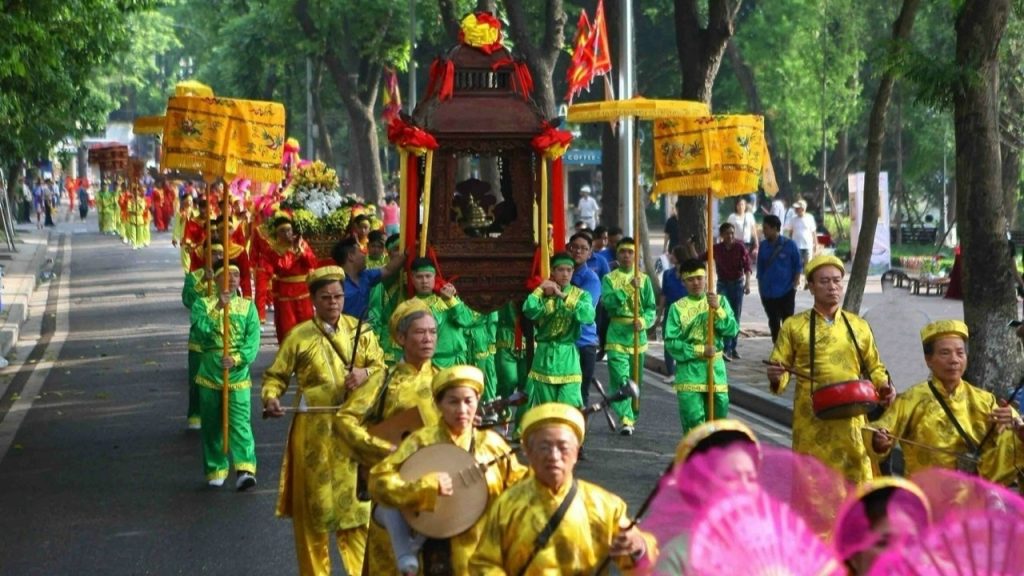
Spanning over 10 centuries since the historic Royal Edict on the Relocation of the Capital by Ly Thai To in 1010, Hanoi's culture has been nurtured by thousands of historical relics, folk legends, and scenic spots. It converges the essence of Red River civilization, bearing both the profound, ancient aura of the ancient capital and a vibrant transformation within contemporary currents.
Hanoi – a millennial capital of culture with historical relics and traditional cultural values (Source: Internet)
Lifestyle and Passion for Learning
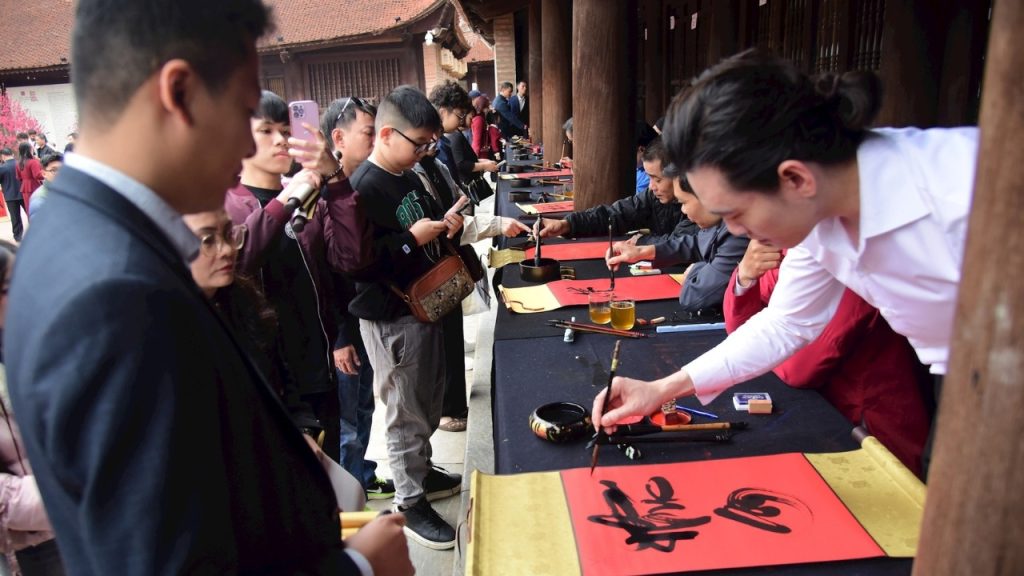
One of Hanoi's distinctive cultural traits is the spirit of respecting teachers and valuing knowledge, alongside elegance in communication. Old Hanoians are famed for their gentle speech, sophisticated conduct, and disciplined, exemplary family life—values still preserved through generations amidst the modern city.
The elegant lifestyle and academic tradition preserved through generations of Hanoians (Source: Internet)
East-West Architectural Intersection
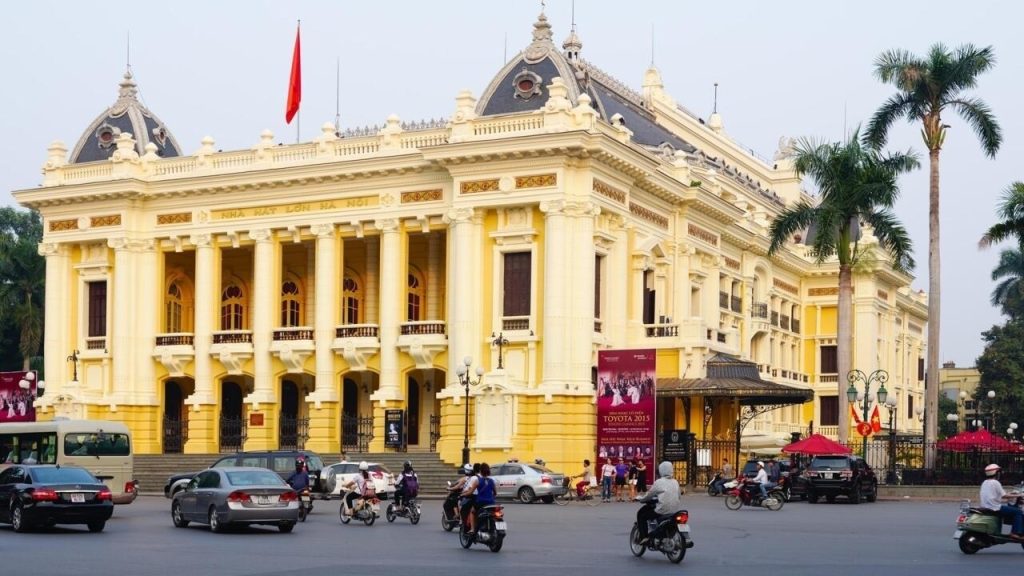
Hanoi boasts diverse architectural heritage: from communal halls and pagodas deeply imprinted with Eastern feudal traits to early 20th-century French colonial structures carrying romantic, classical flair. The blending of encaustic tiles, arched doorways, Western-style iron pillars with Asian-style yin-yang tiled roofs and wooden trusses creates a signature, unmistakable charm.
Hanoi architecture with an intersection between Eastern traditional traits and Western styles (Source: Internet)
Top Most Outstanding Cultural Tourism Landmarks in Hanoi
From historical relics and religious buildings to ancient quarters and traditional craft villages, each landmark below offers a distinct perspective on the Capital's culture.
Temple of Literature (Văn Miếu - Quốc Tử Giám): Symbol of Knowledge and Scholarly Spirit
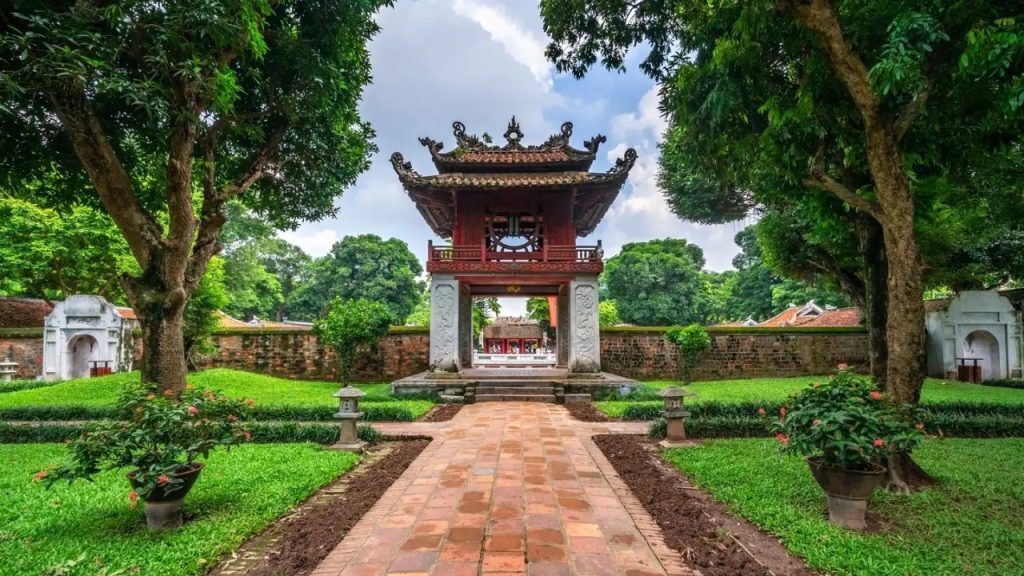
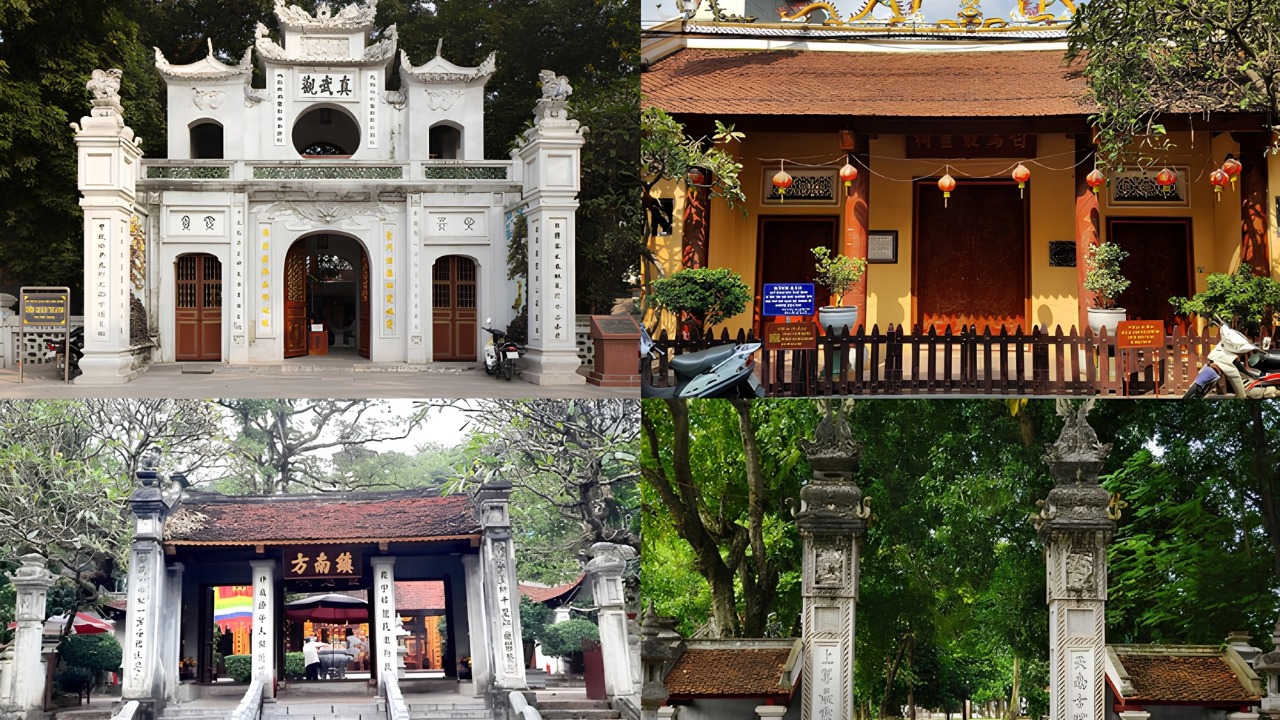
The Temple of Literature (Văn Miếu - Quốc Tử Giám) is a prominent landmark when mentioning Hanoi culture. The relic complex was constructed during the Ly dynasty, tied to the tradition of honoring scholarship and the nation's educational history.
The highlight of the relic is its system of courtyards, gardens, ponds, and architectural structures arranged along a traditional spatial axis. The Doctor's Stelae area preserves the names of those who passed doctoral examinations under monarchical rule. The 82 Doctor's Stelae here are inscribed by UNESCO in the Memory of the World Register, affirming the heritage's exceptional documentary value.
Temple of Literature – historical relic tied to Hanoi's academic tradition (Source: Internet)
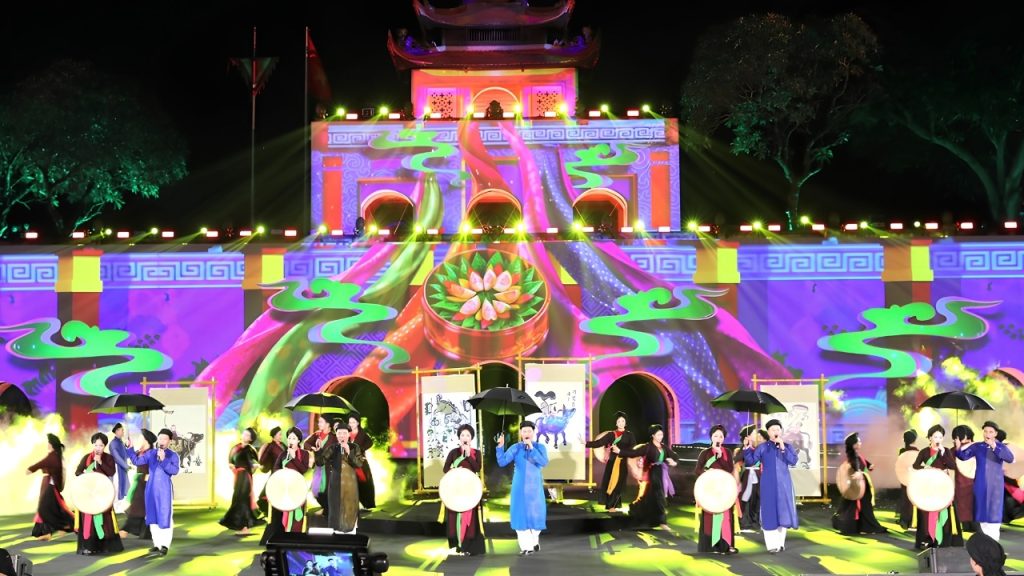
Recommended Experience: If you wish to explore the relic in a unique way, you can check out the Temple of Literature night tour program titled "The Quintessence of Scholarly Learning." The program combines lighting, sound, and 3D Mapping projection technology to narrate stories of the examination tradition.
Visiting Hours: 08:00 - 17:00; evening programs operate on a separate schedule.
Admission Fee: 70,000 VND/adult; priority or free admission applies to eligible visitors per regulations.
Website: vanmieu.gov.vn.
Imperial Citadel of Thăng Long: Millennial World Heritage Complex
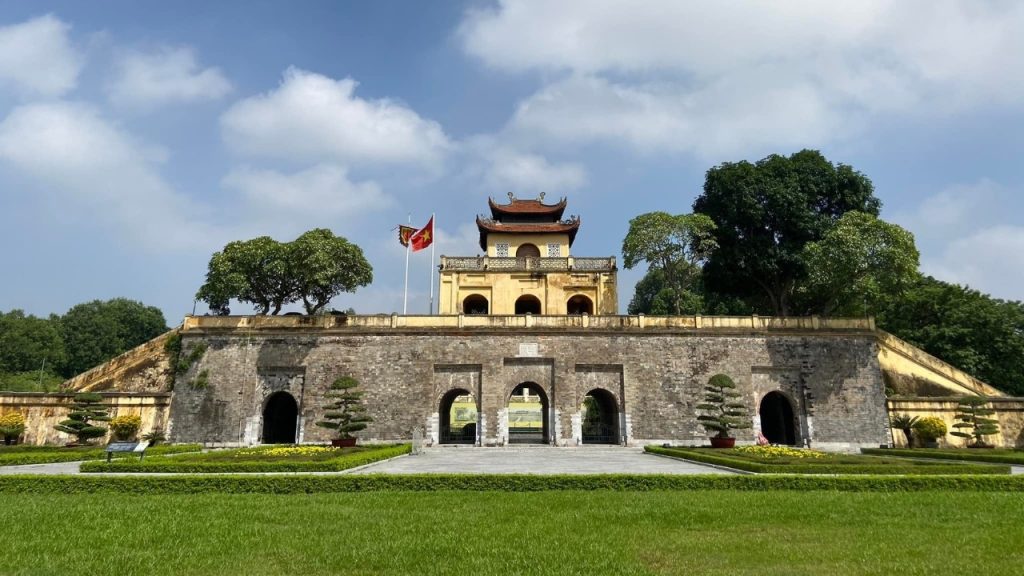
The Imperial Citadel of Thang Long is a destination for those seeking to explore the historical depth of the ancient capital. Inscribed as a UNESCO World Heritage Site in 2010, the relic site preserves crucial vestiges of the center of power across multiple dynasties.
The Citadel's unique feature lies in the continuity of archaeological layers and architectural relics. Discoveries at the 18 Hoang Dieu archaeological site help researchers understand the formation and evolution of the Thang Long capital across centuries. Meanwhile, Doan Mon is a prominent structure in the central citadel area, recalling the appearance of ancient court spaces.
Imperial Citadel of Thang Long with architectural and millennial historical imprints (Source: Internet)
Recommended Experience: The Doan Mon area and 18 Hoang Dieu archaeological site are highlights worth retaining in your heritage exploration journey. If you love history, you can look into thematic tour programs or night tours organized per the relic management unit's schedule.
Suitable for: history enthusiasts, families, students, and travelers wanting to explore heritage.
Note: Verify opening hours, tour routes, and tour availability prior to arrival.
Hanoi Old Quarter and Hoan Kiem Lake: The Soul of Ancient "Ke Cho"
If the Imperial Citadel of Thang Long transports visitors to courtly spaces, the Old Quarter reveals the rhythmic pulse of traditional commercial urban life. It is intertwined with the history of craft streets, trading activities, and community life across generations.
Streets like Hang Bac, Hang Ma, or Hang Dao carry distinct imprints of professions and commerce. Although the urban facade has transformed, numerous traditional storefronts, tube houses, and narrow alleys still confer an exceptional charm upon this district.
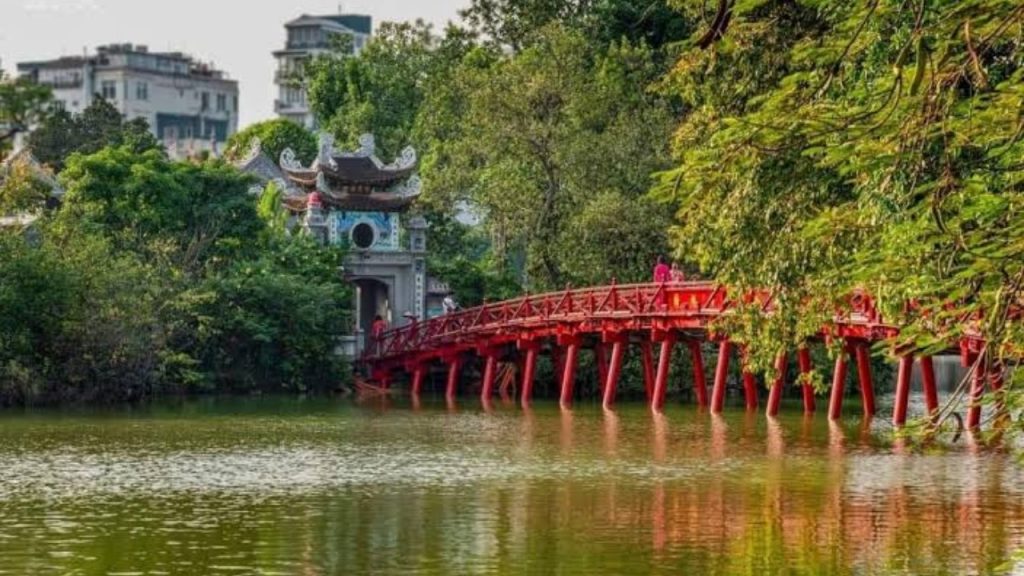
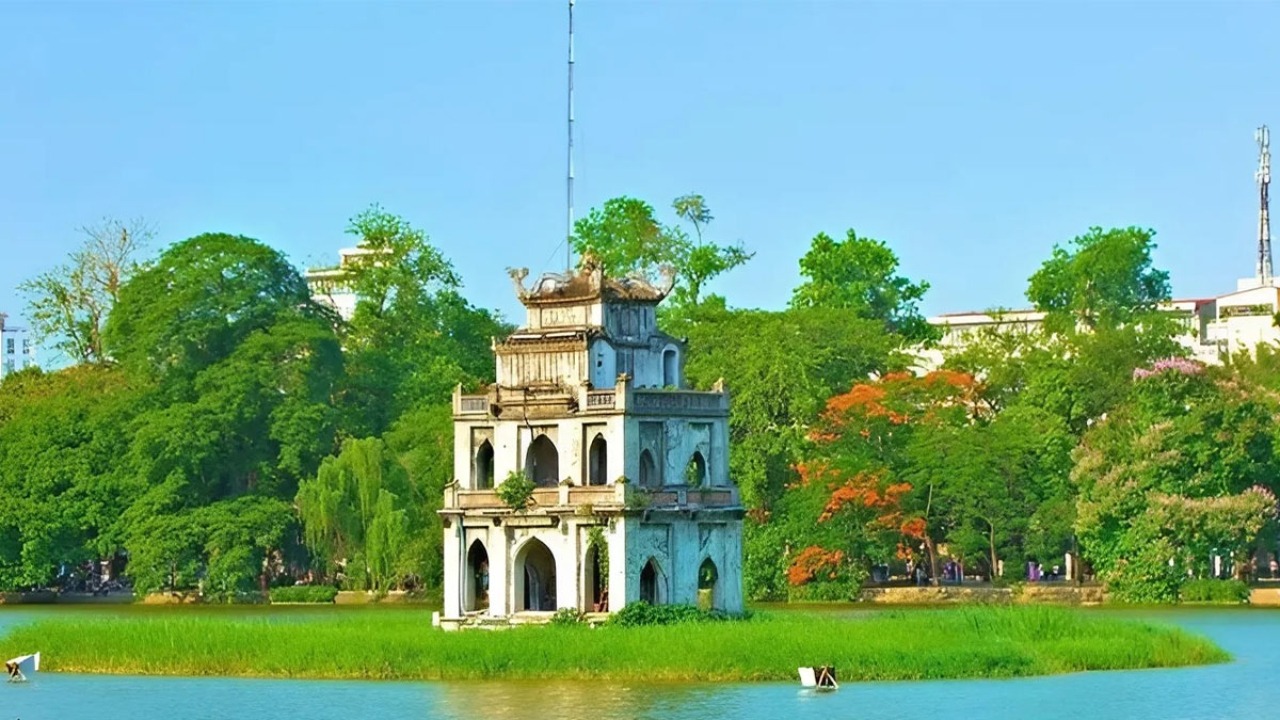
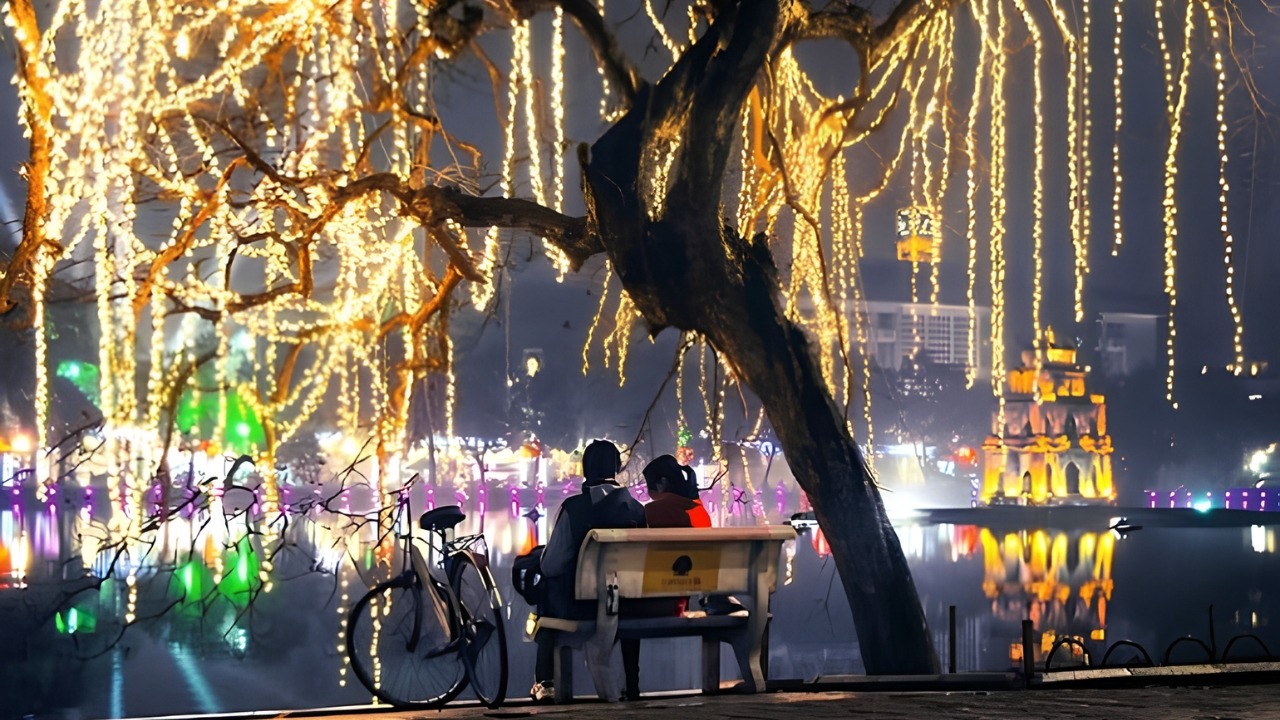
Not far away lies Hoan Kiem Lake, a familiar cultural space for the Capital's residents. Ngoc Son Temple, the crimson-painted The Huc Bridge, and Turtle Tower form a renowned landscape complex tied to the legend of Sword Lake and Hanoi's historical memories.
Ngoc Son Temple – cultural symbol in central Hanoi (Source: Internet)
Recommended Experience: Spend a morning walking through the craft streets, visiting a local eatery, or savoring egg coffee inside an old building. Afterward, you can continue strolling around the lake, visiting Ngoc Son Temple, and observing local life. Walking is an optimal way to discover minute details often missed when traveling by car.
Reference Information:
Old Quarter: central Hanoi district, conveniently combined with Hoan Kiem Lake.
Hoan Kiem Lake: public space, ideal for strolling and photography.
Ngoc Son Temple: separate admission fee applies; verify ticket rates and opening hours at the time of visit.
One Pillar Pagoda and Tran Quoc Pagoda: Iconic Buddhist Spiritual Heritages
One Pillar Pagoda and Tran Quoc Pagoda are two prominent structures when exploring Buddhist spiritual culture in Hanoi. Each pagoda bears distinct architectural and historical imprints, reflecting Vietnamese religious life across centuries.
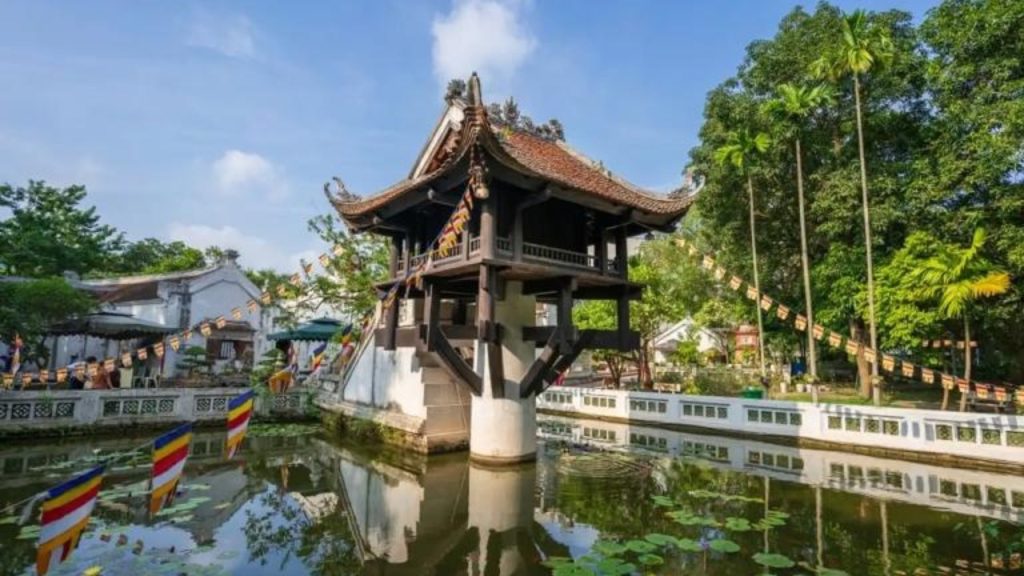
One Pillar Pagoda impresses with its architecture perched on a single stone pillar amidst a lotus pond, evoking the image of a lotus blossom emerging above water. The structure is tied to Ly dynasty history and is frequently cited as a unique architectural symbol of the Capital.
One Pillar Pagoda with unique architecture tied to Hanoi's history (Source: Internet)
Meanwhile, Tran Quoc Pagoda sits beside West Lake, standing out with its ancient ambiance, leafy trees, and stupa tower. The pagoda boasts a long-standing history, serving as an important religious site and drawing numerous visitors for worship and Buddhist study.
Recommended Experience: For Tran Quoc Pagoda, consider visiting in the late afternoon, around 4:30 PM–5:30 PM, weather and opening hours permitting. Late-day sunlight by West Lake creates scenic vistas for sightseeing and photography. Inside the pagoda grounds, maintain modest tones, dress respectfully, and follow site regulations.
Reference Information:
One Pillar Pagoda: located within the relic complex near President Ho Chi Minh's Mausoleum.
Note: Visitor hours and touring regulations are subject to change; verify information prior to departure.
Duong Lam Ancient Village and Bat Trang Ceramic Village: Traditional Craft Village Imprints
To expand your Hanoi cultural journey beyond the inner city, you can allocate time to explore Duong Lam Ancient Village and Bat Trang Ceramic Village. These two destinations represent differing facets of traditional culture: northern rural residential spaces and time-honored artisanal crafts.
Duong Lam Ancient Village - Northern Rural Imprint
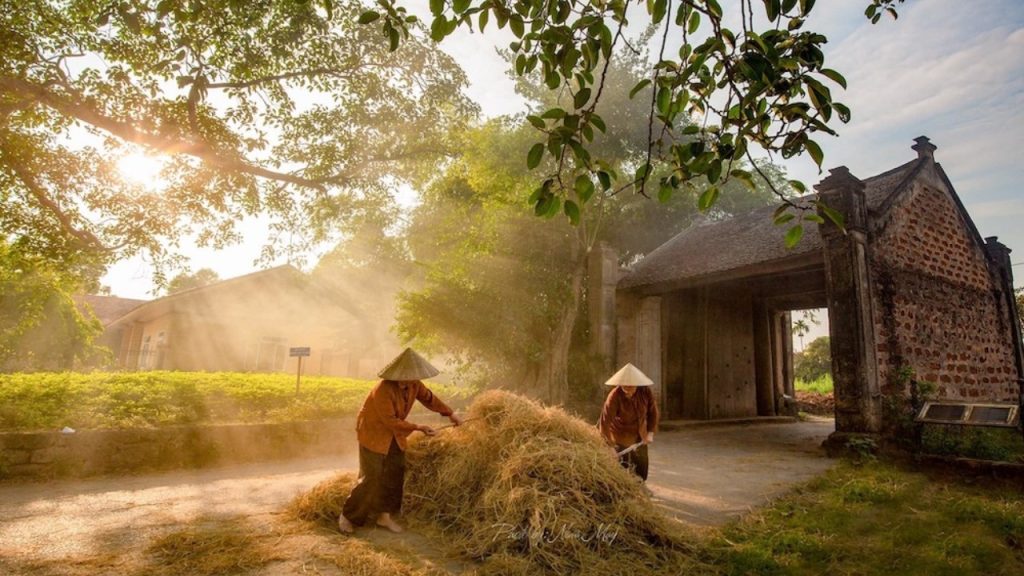
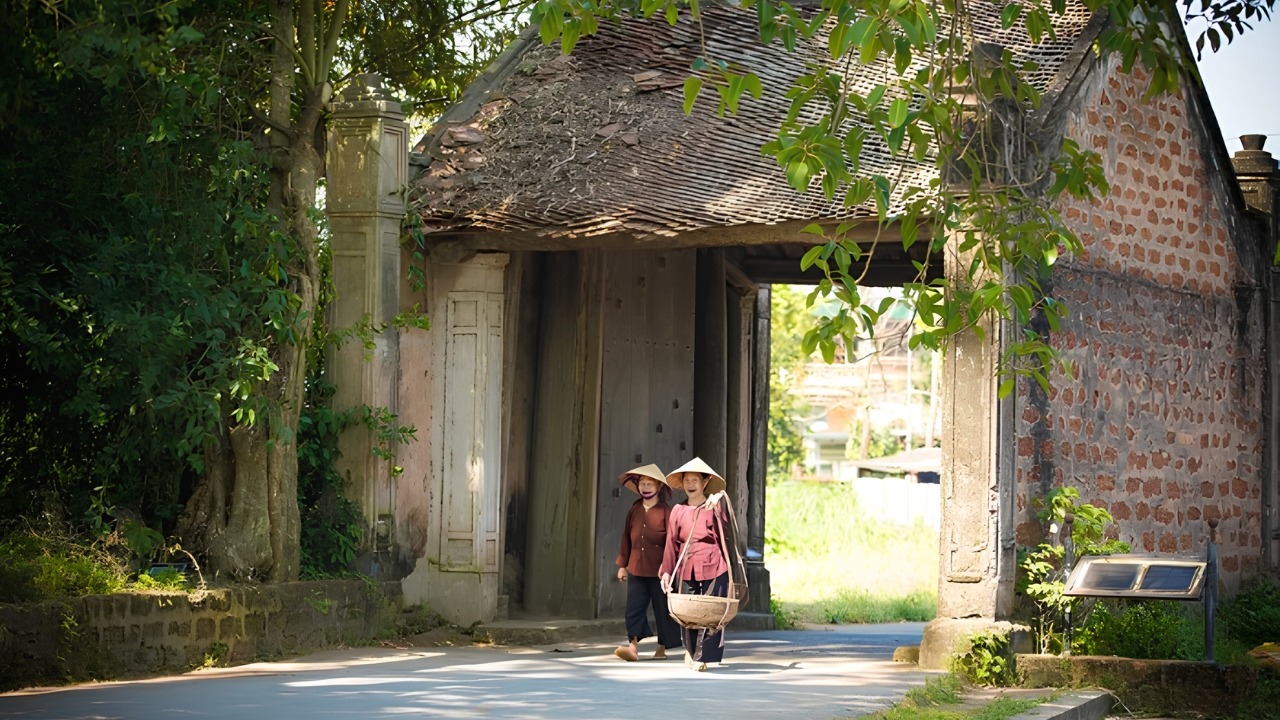
Duong Lam stands out with its village lanes, village gates, communal yards, and traditional houses utilizing laterite stone. This space evokes the structure of northern rural villages, where family life, beliefs, and community bonds are tightly knit.
Visiting Duong Lam, you can walk through narrow alleys, explore ancient house architecture, and visit heritage sites within the village. Mindful touring is also a way to contribute to landscape preservation and respect local residents' privacy.
Duong Lam Ancient Village with laterite houses, village gates, and traditional Northern architecture (Source: Internet)
Bat Trang Ceramic Village - Artisanal Craft Passed Down Generations
Nestled along the Red River, Bat Trang is renowned for its ceramic-making tradition. Products here vary in shape, motifs, and utility, ranging from household wares to decorative items. Ceramic crafting is not merely an economic activity but reflects techniques, aesthetics, and expertise passed down through generations.
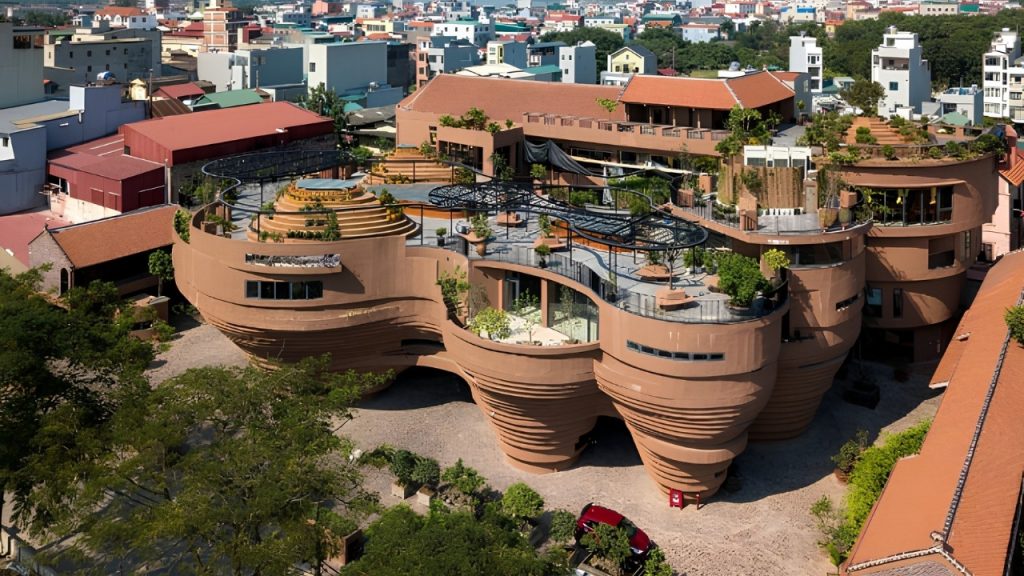
A notable stop is the Center of Vietnamese Craft Village Quintessence, whose architectural form evokes pottery wheels. This is where visitors can explore crafts and capture distinctive photographic frames.
Bat Trang Ceramic Village with traditional pottery crafting and artisanal products (Source: Internet)
Recommended Experience: In Bat Trang, you can register for pottery shaping or throwing activities, personally molding a small product and decorating it to taste. Experience fees vary by workshop, product type, and completion stages; inquire beforehand regarding pricing, product retrieval times, and shipping fees if required.
First national university, 82 UNESCO Doctor's Stelae
58 Quoc Tu Giam, Dong Da
70,000 VND
Imperial Citadel of Thang Long
World Heritage Site, feudal power center
19 Hoang Dieu, Ba Dinh
70,000 VND
Old Quarter & Hoan Kiem Lake
36 craft streets lifestyle, Ngoc Son Temple, The Huc Bridge
Hoan Kiem District
Free (Ngoc Son Temple 50k)
One Pillar & Tran Quoc Pagodas
Buddhist spiritual heritage, lotus blossom architecture & 1500-year ancient pagoda
Ba Din & Tay Ho Districts
Free
Duong Lam & Bat Trang Villages
Northern laterite ancient village & traditional ceramic craft village
Son Tay & Gia Lâm
20,000 - 100,000 VND
Convenient Accommodation Coordinates for Exploring Hanoi Culture at Nesta Hotel Chain
Following a walking journey exploring Hanoi's cultural depth, a beautiful, well-equipped Hanoi hotel situated in a central location will help you perfectly recharge. The Nesta hotel chain in Hanoi is a top choice for travelers thanks to prime locations, professional services, and cozy ambiances.
Nesta Hanoi Hotel - Central Stays with Convenient Access to Cultural Sites
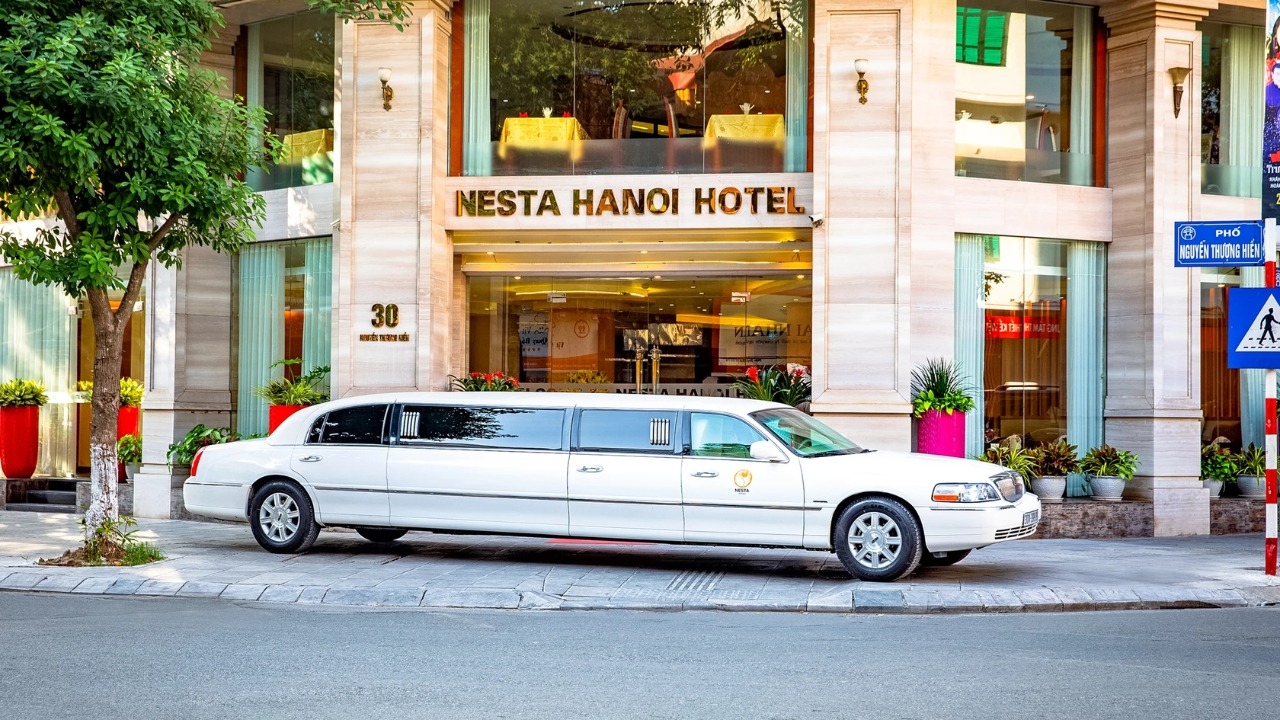
Nesta Hanoi Hotel is located at No. 30 Nguyen Thuong Hien, Hanoi. Situated in the central district, it conveniently combines tours of the Old Quarter, Hoan Kiem Lake, and inner-city cultural destinations.
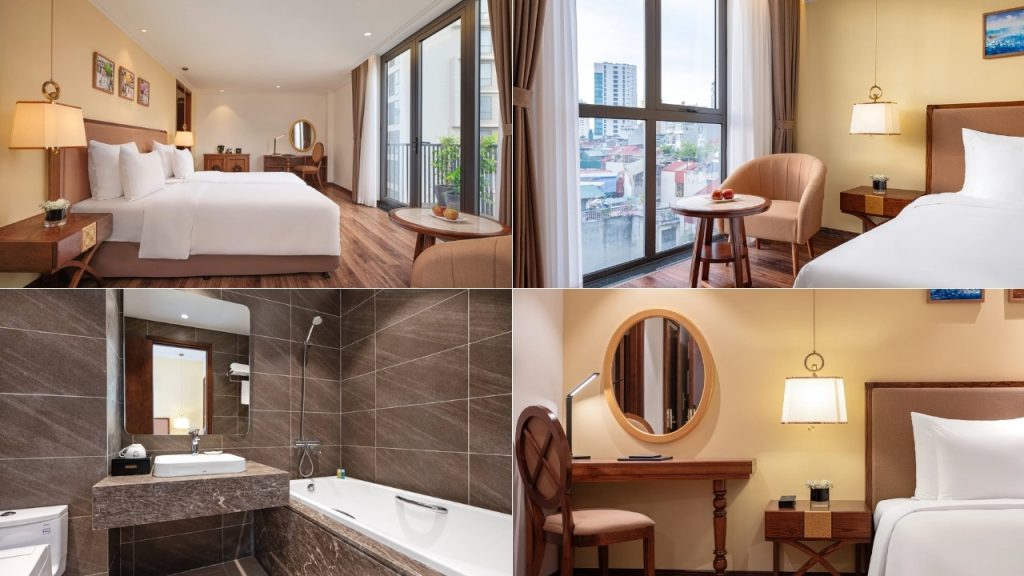
Nesta Hanoi Hotel's notable highlight is the fusion of modern accommodation spaces with amenities serving both leisure and business travelers. After a day walking through relics, guests can return to their rooms to relax and prepare for upcoming itineraries.
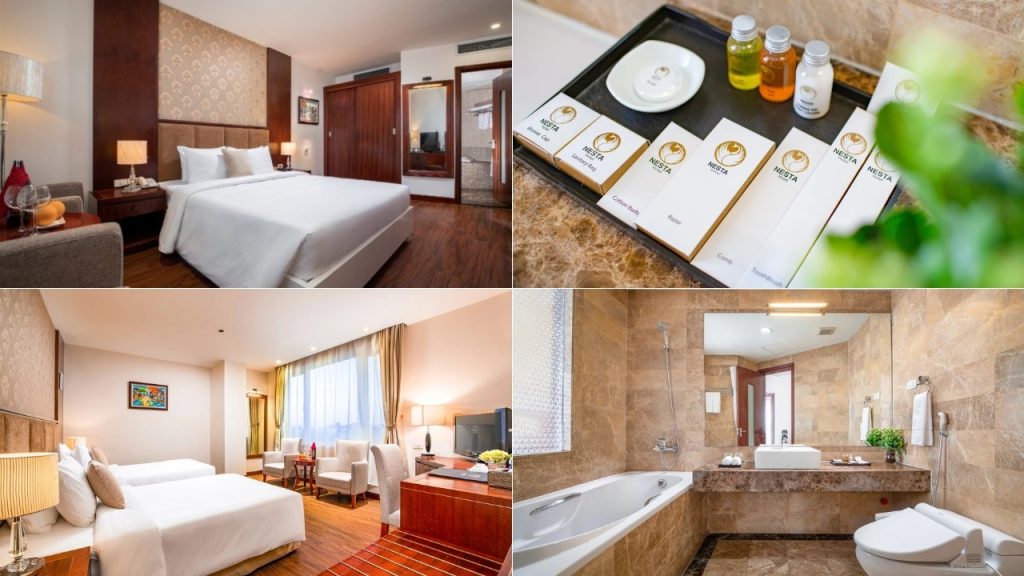
Nesta Hanoi Hotel guest rooms featuring modern spaces and complete amenities for staying guests
Amenities and Highlights at Nesta Hanoi Hotel:
Convenient location for inner-city exploration: Temple of Literature is approx. 1.2 km away, Hoa Lo Prison approx. 850 m, and Old Quarter approx. 1.9 km.
Rooms with work desks: Useful for business travelers or those needing to handle tasks during trips.
24/7 Front Desk: Assisting guests throughout stays, suiting flexible arrival and departure schedules.
Breakfast Buffet: Empowering travelers to proactively build energy before starting sightseeing days.
Private Bathrooms: Fulfilling personal hygiene needs during stays.
Smart TVs and Safe Boxes: Additional amenities supporting relaxation and personal belongings storage.
Spa Services: An option for relaxation following extended sightseeing itineraries.
Airport Transfer Services: Supporting transit between the hotel and airport per service conditions.
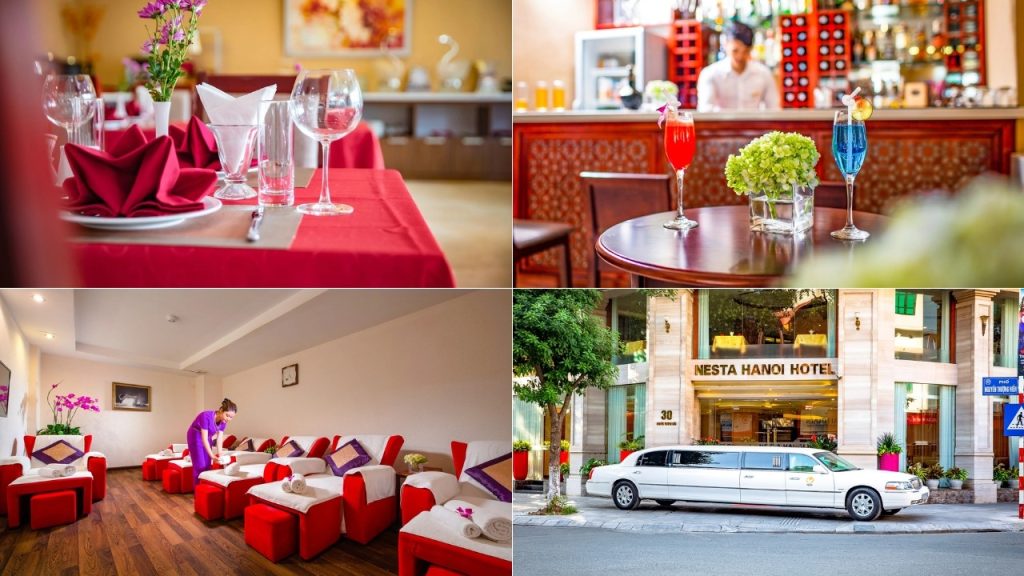
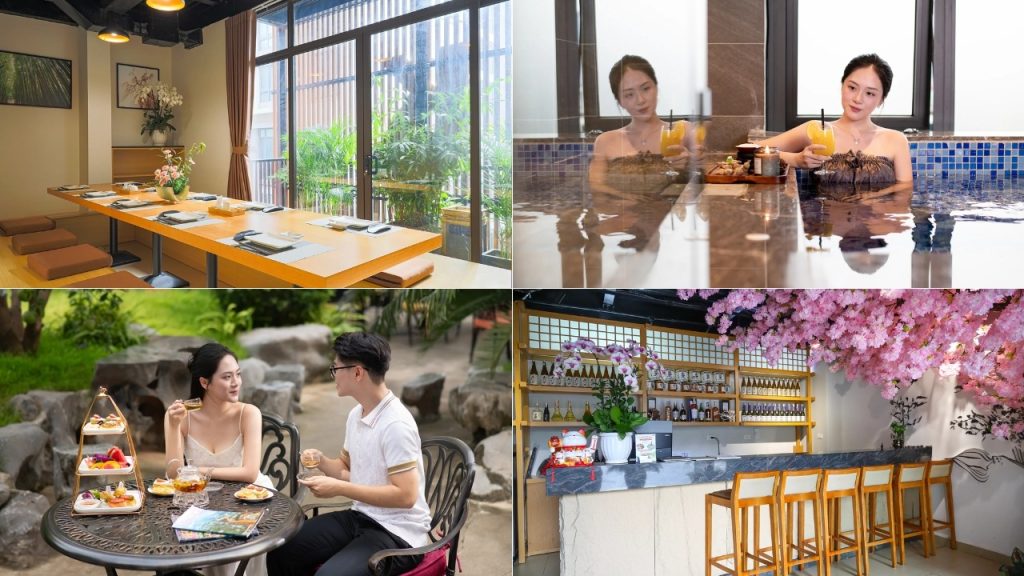
Services at Nesta Hanoi Hotel featuring buffet restaurant, spa, and airport transfer support
Nesta Hotel & Spa - Accommodation Combined with Relaxation in Hao Nam
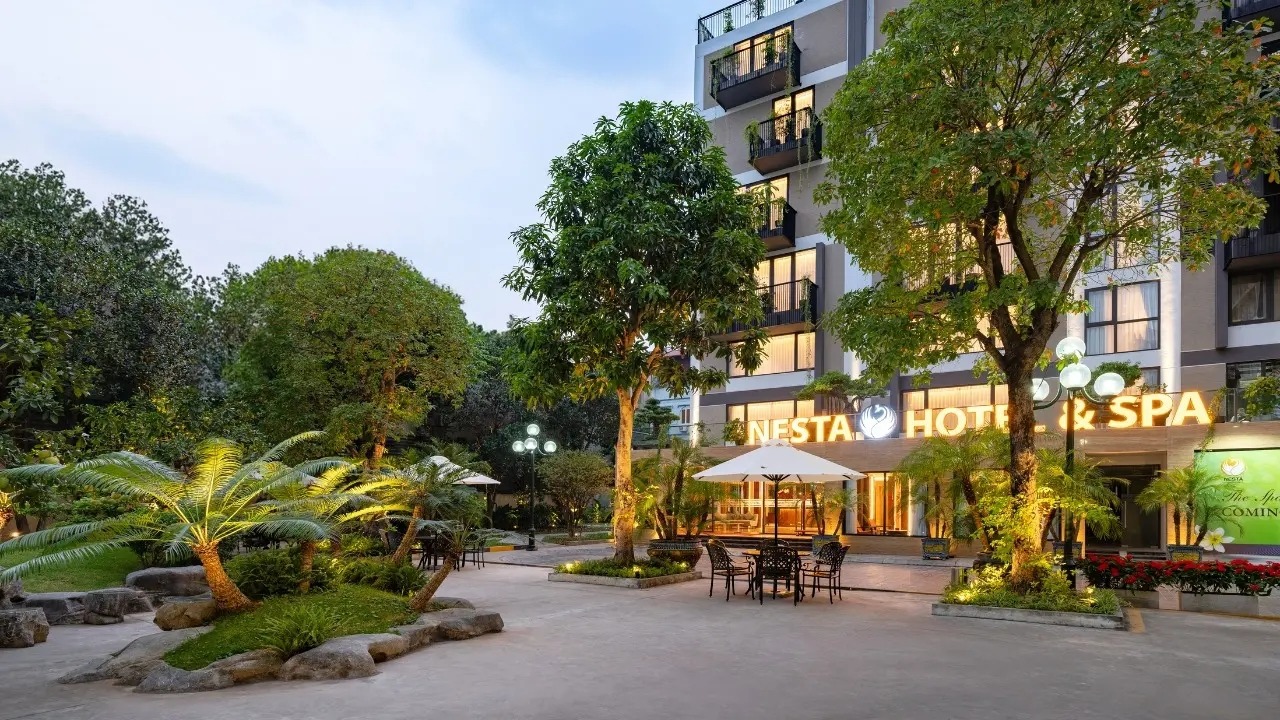
If prioritizing a Hanoi hotel featuring spa services and connectivity to attractions in Dong Da district, Nesta Hotel & Spa is a worthwhile consideration. Situated at No. 83 Hao Nam, O Cho Dua Ward, Hanoi, the hotel lies within a modern complex housing commercial, office, apartment, and residential zones. This location enables guests to seamlessly combine lodging, dining, relaxation, and cultural exploration within the district.
Nesta Hotel & Spa guest rooms featuring comfortable furnishings and private ambiances
Amenities and Highlights at Nesta Hotel & Spa:
Guest Room System: Diverse categories spanning Superior, Deluxe, Executive, and Suite options with varying layouts and sizes, catering to tourists, couples, and business travelers.
Breakfast Buffet: Convenient for early sightseeing days.
Spa Services: Suited for travelers wanting to unwind after walking or touring numerous destinations.
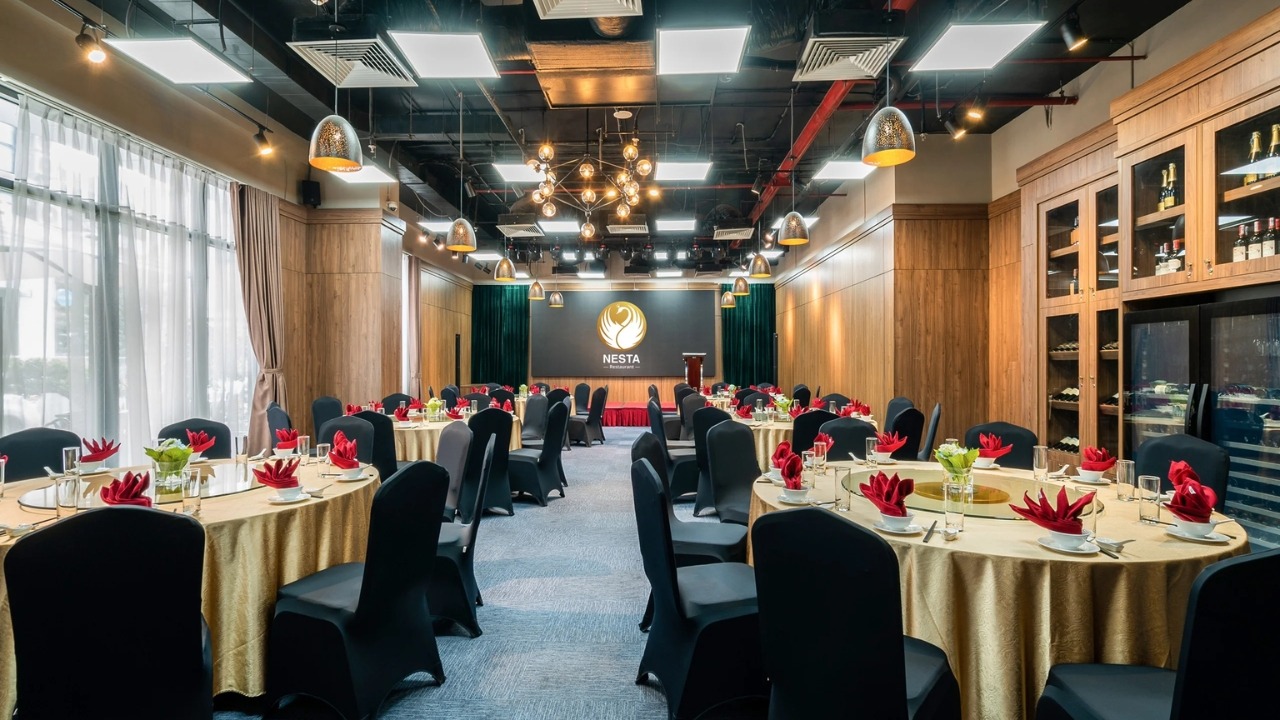
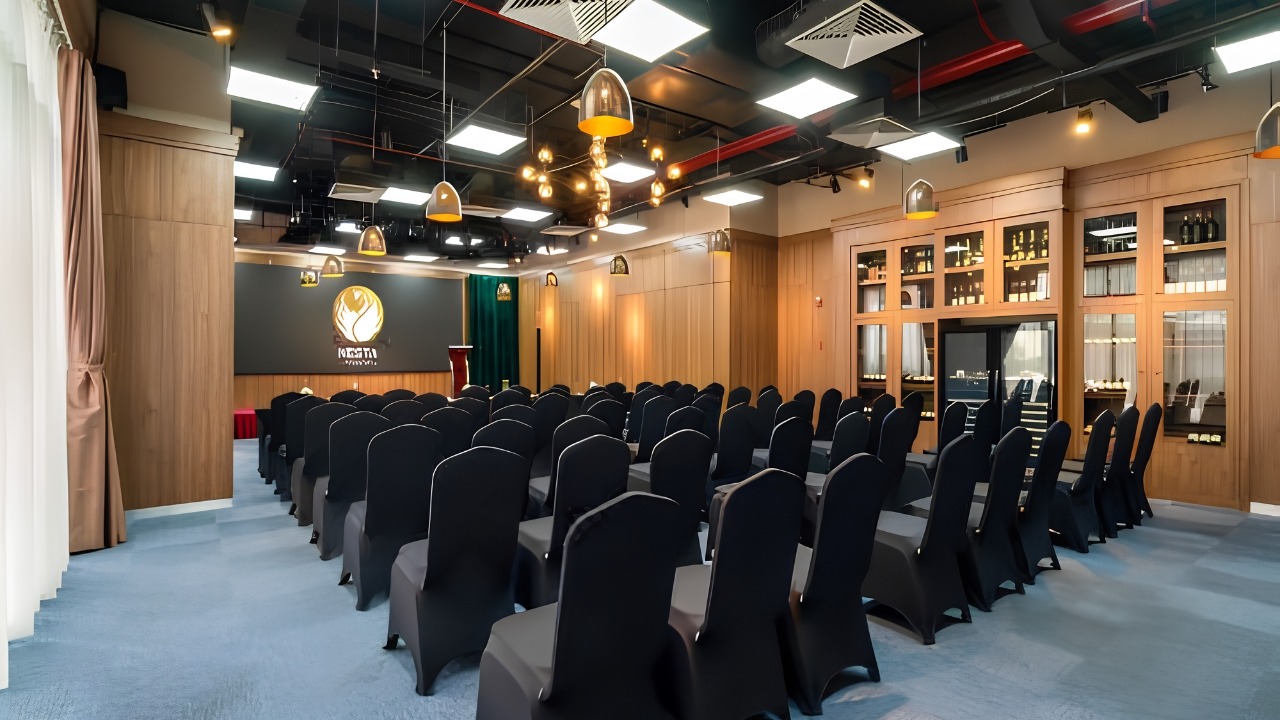
Coffee & Lounge and Kawa Restaurant spaces within the complex: Expanding dining, meeting, and resting options alongside lodging.
Parking Area: Useful for guests traveling via personal vehicles; confirm usage conditions upon booking.
Smart TVs, Safe Boxes, and Private Bathrooms: Standard facilities supporting daily resting needs.
High-Speed Wi-Fi: Supporting map queries, itineraries, and destination information.
Airport Transfer Services: Contact the hotel to confirm applicable arrangements and costs.
24/7 Front Desk: Assisting staying guests throughout service utilization.
Amenities at Nesta Hotel & Spa including buffet restaurant, spa services, Coffee & Lounge, and airport transfer support
Regarding cultural journeys, this hotel can be considered when planning visits to the Temple of Literature, Imperial Citadel of Thang Long, One Pillar Pagoda, or attractions around Ba Đình district.
What Is the Best Time of Year for Cultural Tourism in Hanoi?
Autumn (September - November) and spring (March - April) are two ideal periods. Hanoi's autumn weather is cool with gentle sunshine, perfectly suited for strolling and touring outdoor historical relics.
Are There Dress Code Regulations at Historical and Cultural Relics in Hanoi?
Yes. When visiting spiritual and relic sites such as the Temple of Literature, President Ho Chi Minh's Mausoleum, Tran Quoc Pagoda, or Ngoc Son Temple, visitors must dress modestly and respectfully (sleeved shirts, trousers or skirts extending below the knees).
How Long Does It Take to Travel from Nesta Hotels to the Temple of Literature?
From Nesta Hotel and Spa (83 Hao Nam), it takes only about 5 minutes traveling along the Hao Nam - Cat Linh - Quoc Tu Giam transit axis. From Nesta Hanoi Hotel (30 Nguyen Thuong Hien), travel time is roughly 7 - 10 minutes.
Do Cultural Tourism Sites in Hanoi Charge Admission Fees?
Yes, many prominent relics like the Temple of Literature and Imperial Citadel charge reasonable admission fees (typically around 70,000 VND/adult), while several public or religious spaces offer free entry.





 Book now
