Hanoi is captivating not only for its ancient streets and modern pulse but also for preserving numerous long-standing cultural and religious heritage sites. Among them, the Thang Long Four Sacred Temples represent a unique imprint tied to the formation history of the ancient Thang Long imperial citadel, comprising four temples guarding the four cardinal directions: East, West, South, and North. If you are planning to explore the Four Sacred Temples of Hanoi, refer to the guide below to select a suitable route for your trip.
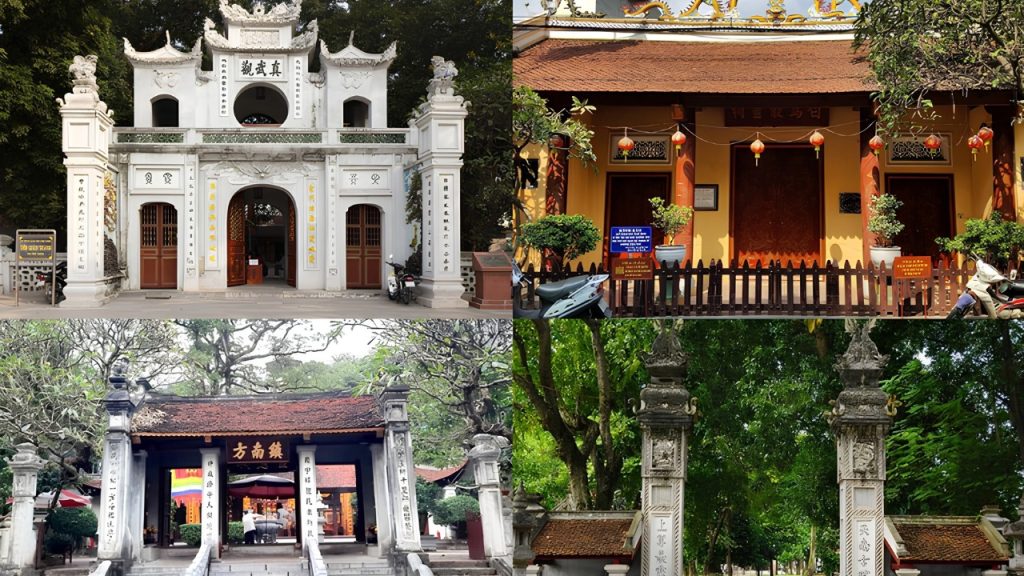
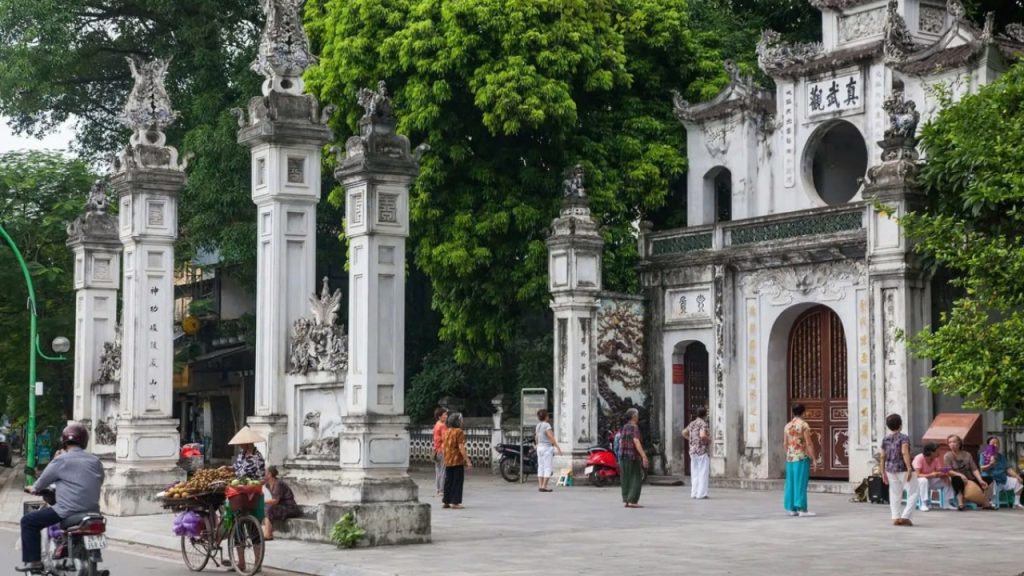
Exploring Thang Long Four Sacred Temples in Hanoi with four sacred sanctuaries (Source: Internet)
What Are the Thang Long Four Sacred Temples in Hanoi? Origins and Spiritual Significance
The Thang Long Four Sacred Temples in Hanoi refer to four ancient temples guarding the four vital directions surrounding the ancient Thang Long imperial citadel, including: Bach Ma Temple (Eastern Guardian), Voi Phuc Temple (Western Guardian), Kim Lien Temple (Southern Guardian), and Quan Thanh Temple (Northern Guardian).
Significance
In terms of feng shui and beliefs, the four guardian temples in Hanoi were established as spiritual "outposts" to shelter and protect the capital from malevolent spirits, natural disasters, and foreign invasions, bringing peace and prosperity to the nation. Each temple enshrines a supreme deity with authority guarding a specific direction:
Eastern Guardian (Bach Ma Temple): Worships Deity Long Do - the Tutelary God of Hanoi.
Western Guardian (Voi Phuc Temple): Worships Prince Linh Lang Dai Vuong.
Southern Guardian (Kim Lien Temple): Worships Deity Cao Son Dai Vuong.
Worship of guardian deities at the four sacred temples in Hanoi (Source: Internet)
Heritage Value
Through thousands of years of historical ups and downs, the Thang Long Four Sacred Temples are not only a spiritual anchor for the people of the imperial land but also a collection of priceless architectural and artistic masterpieces. They preserve countless royal decrees, stone stelae, ancient statues, and exquisite ironwood carving structures. In 2022, the Thang Long Four Sacred Temples Historical Relic was officially ranked as a Special National Monument by the Prime Minister, affirming the Capital's top-tier cultural heritage status.
Architectural and cultural heritage at the four ancient temples of Thang Long (Source: Internet)
Details of the Four Sacred Temples Belonging to Thang Long Four Sacred Temples
The four temples within the Thang Long Four Sacred Temples system are located in different areas of Hanoi's inner city. Each possesses its own formation story, architecture, and distinct features. If you are wondering what to do in Hanoi, you can explore these four temples regarding their locations and travel times to arrange a sensible itinerary.
1. Eastern Guardian: Bach Ma Temple - Worships Deity Long Do
Address: 76 Hang Buom St., Hanoi Old Quarter, Hoan Kiem, Hanoi
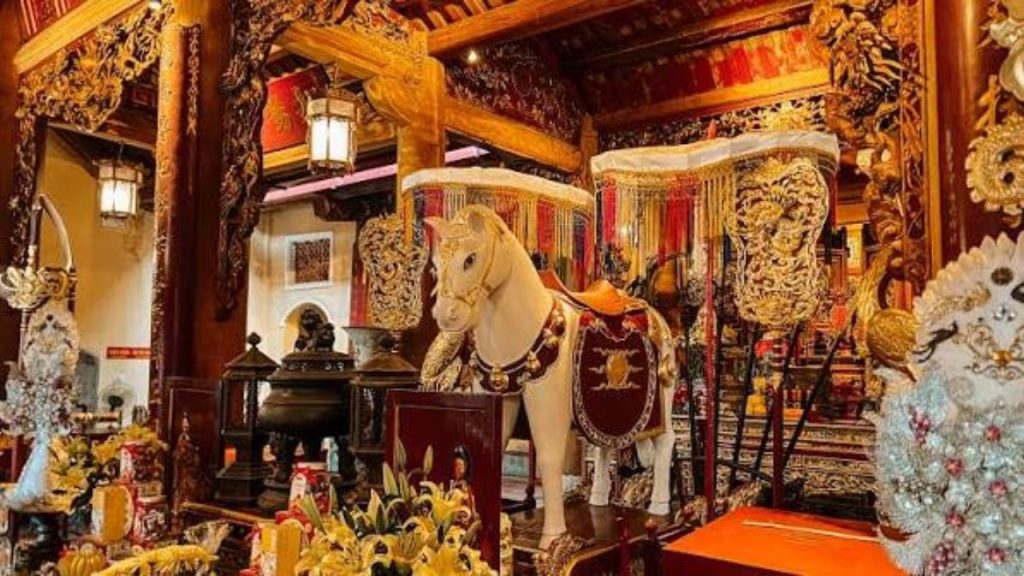
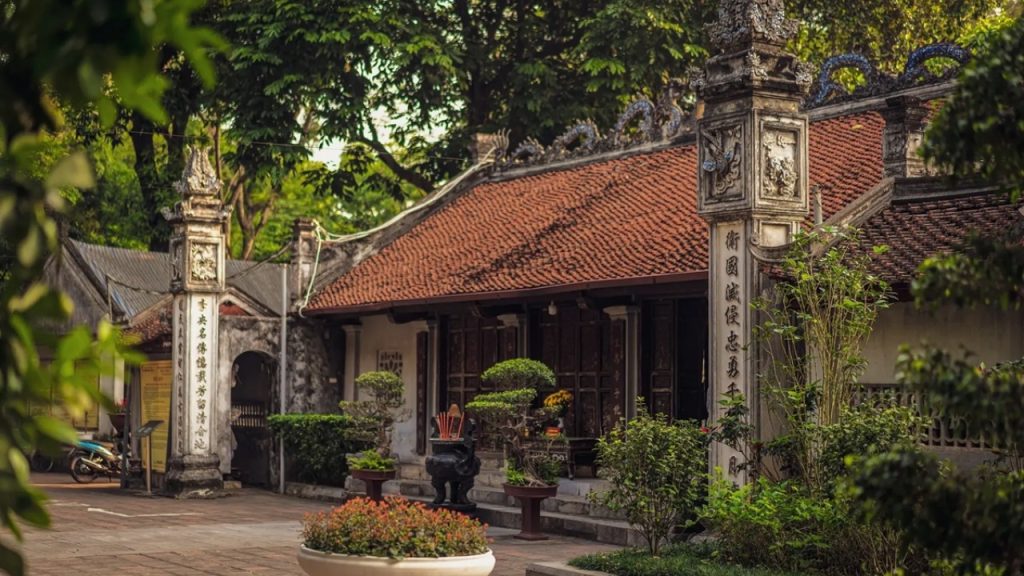
Deity & History: The temple was built in 866 during the time of Gao Bian and is tied to the legend of King Ly Thai To relocating the capital to Thang Long in 1010. Legend has it that when building the Thang Long ramparts, the walls repeatedly collapsed. Thanks to Deity Long Do manifesting as a white horse (Bach Ma) stepping out from the temple, leaving footprints that pointed the way, the king had the ramparts built following those footprints, achieving success. The king conferred upon Deity Long Do the title of Tutelary God of the Thang Long imperial citadel.
Architecture & Festival: The temple bears the signature architectural style of Old Quarter ancient houses with an "I" shape layout (Hán tự: Công). The sturdy ironwood frame structure, pillars, and crossbeams are meticulously carved with dragon and cloud motifs. The Bach Ma Temple Festival takes place annually from February 12th to 13th of the lunar calendar.
White horse legend and formation history of Bach Ma Temple (Source: Internet)
2. Western Guardian: Voi Phuc Temple - Worships Prince Linh Lang Dai Vuong
Deity & History: Established in 1065 during the Ly dynasty, the temple worships Linh Lang Dai Vuong—the prince who contributed alongside the people to subdue the invading Song army. Upon returning victorious, the prince transformed into a dragon and flew back to heaven; King Ly Thanh Tong ordered a temple built right where the prince used to reside.
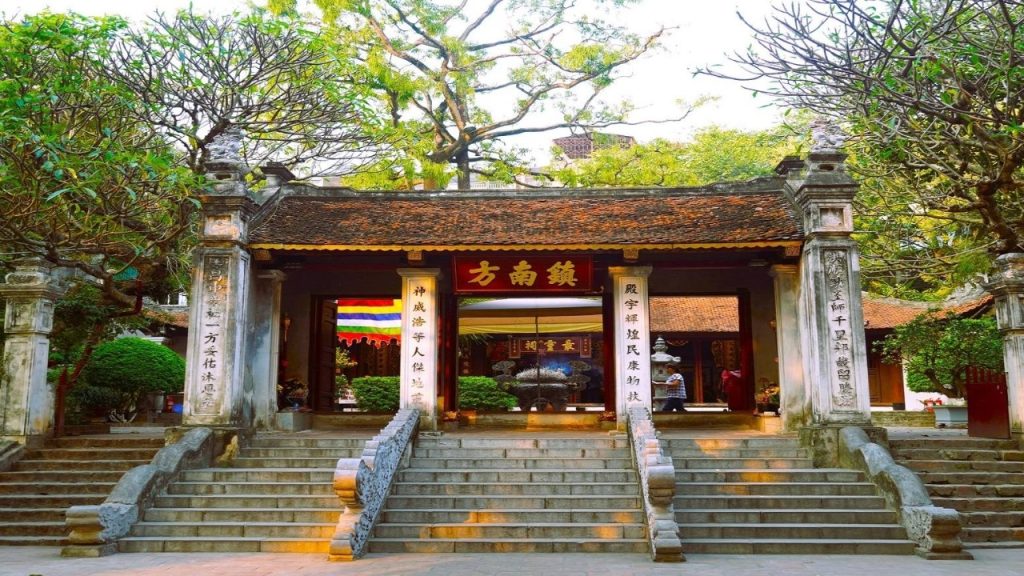
Voi Phuc Temple Kim Ma with two kneeling elephant statues in front of the gate (Source: Internet)
Architecture & Festival: The temple is situated on an elevated mound, surrounded by shady ancient trees. Highlights include stone staircases leading up and two majestic kneeling elephant statues right at the temple gate. The main temple festival takes place from February 9th to 11th of the lunar calendar.
Travel Note: It is recommended to visit the temple around 9:00 - 11:00 AM or 2:00 - 4:00 PM for a tranquil ambiance and to avoid traffic congestion.
3. Southern Guardian: Kim Lien Temple - Worships Deity Cao Son Dai Vuong
Address: 148 Kim Hoa St., Van Mieu - Quoc Tu Giam, Hanoi
Deity & History: The temple was founded in the 16th century to guard the southern part of the Thang Long imperial citadel, worshiping Deity Cao Son Dai Vuong (son of Imperial Mother Au Co and Lac Long Quan). The deity helped the people quell rebellions, supported territorial expansion, and protected public peace.
Architecture & Festival: Situated on an elevated mound east of Kim Lien Lake, the temple maintains an exquisite two-tiered roof triple-gate (tam quan) structure. It currently preserves an ancient stone stela cast in 1510 (during King Le Tuong Duc's reign) along with 39 precious royal decrees across dynasties. The temple festival takes place on March 16th of the lunar calendar.
History of Kim Lien Temple and worship of Cao Son Dai Vuong (Source: Internet)
4. Northern Guardian: Quan Thanh Temple (Tran Vu Quan) - Worships Deity Huyen Thien Tran Vu
Deity & History: Established during the reign of King Ly Thai To when relocating the capital to Thang Long, the temple worships Huyen Thien Tran Vu—the guardian deity of the North, possessing powers to dispel evil spirits, suppress turbulent waves, and bring peace to the realm.
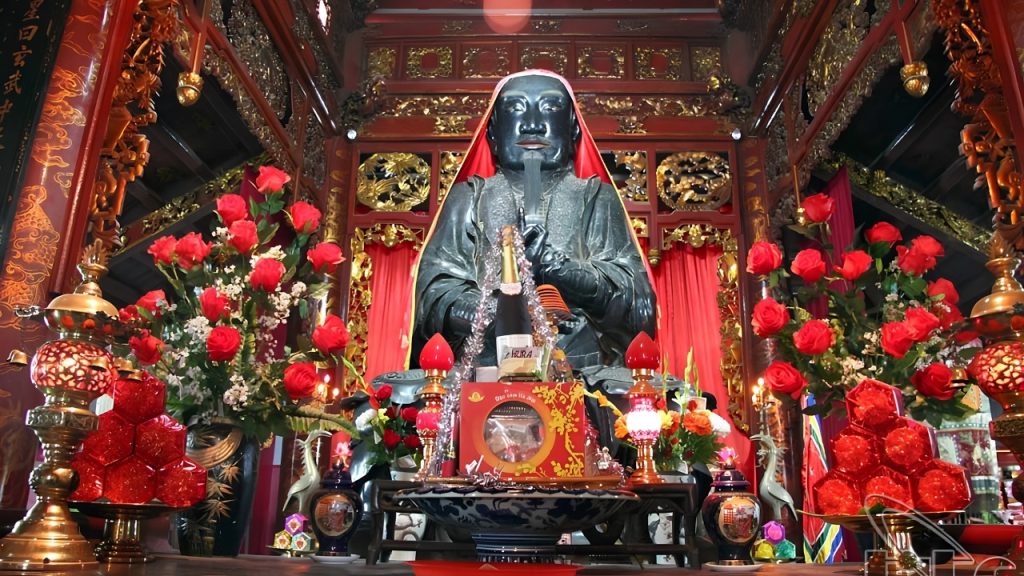
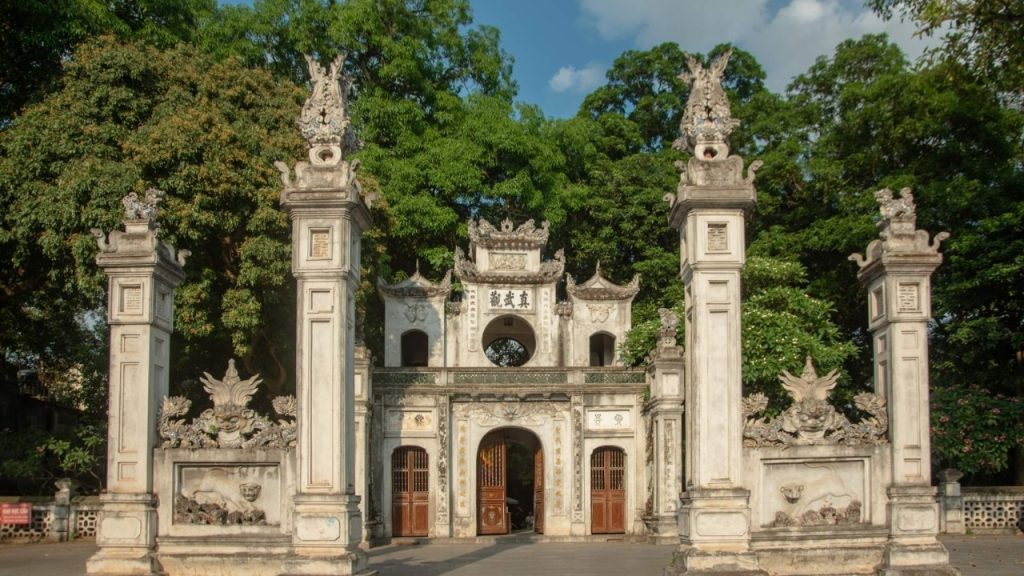
Architecture & Festival: Quan Thanh Temple is renowned for its airy ambiance facing West Lake. Its masterwork highlight is the dark bronze statue of Huyen Thien Tran Vu cast in 1677, nearly 4m tall and weighing approximately 4 tons—symbolizing the peak bronze casting technique of ancient Ngu Xa village artisans. The main festival of the temple takes place on March 3rd of the lunar calendar.
History of Quan Thanh Temple and worship of the Northern guardian deity (Source: Internet)
Overview Comparison Table of Thang Long Four Sacred Temples in Hanoi
Temple Name
Guardian Direction
Main Worshipped Deity
Address
Outstanding Architectural Features / Artifacts
Bach Ma Temple
Eastern Guardian
Deity Long Do
76 Hang Buom, Hoan Kiem
Meticulously carved ironwood frame in Old Quarter style
Voi Phuc Temple
Western Guardian
Prince Linh Lang Dai Vuong
306B Kim Mã, Ba Dinh
2 majestic kneeling elephant statues, high stone staircases
Kim Lien Temple
Southern Guardian
Deity Cao Son Dai Vuong
144 Kim Hoa, Dong Da
Ancient stone stela from 1510 and 39 precious royal decrees
Quan Thanh Temple
Northern Guardian
Deity Huyen Thien Tran Vu
Thanh Nien - Quan Thanh intersection
Dark bronze statue weighing ~4 tons, nearly 4m tall cast in 1677
1-Day Itinerary to Explore Thang Long Four Sacred Temples
To visit all four temples belonging to the Thang Long Four Sacred Temples in a single day, you should arrange your itinerary by district to minimize travel time. Below is a suggested itinerary, which can be flexibly adjusted depending on traffic conditions and actual opening hours.
Time
Location
Suggested Activities
08:00 - 09:00
Bach Ma Temple
Tour the temple, learn about Deity Long Do's legend, and explore Hanoi Old Quarter.
09:00 - 10:00
Travel to Quan Thanh Temple
Take a taxi, ride-hailing vehicle, or personal transport. Actual travel time depends on traffic.
10:00 - 11:30
Quan Thanh Temple
Offer incense, learn about the worship of Huyen Thien Tran Vu, and admire the famous bronze statue.
11:30 - 13:30
Lunch Break
Dine and rest before continuing the journey.
13:30 - 14:30
Voi Phuc Temple
Tour the architecture, learn the legend of Linh Lang Dai Vuong and the two kneeling elephant statues at the gate.
14:30 - 15:30
Travel to Kim Lien Temple
Check the suitable route on Google Maps before departure.
15:30 - 16:30
Kim Lien Temple
Learn the history of worshiping Cao Son Dai Vuong and cultural vestiges of the relic.
After 16:30
End of Itinerary
Return to the hotel or continue exploring Hanoi if time permits.
Note: The above schedule is a reference itinerary, not confirmed opening hours. You should check the reception hours of each temple prior to your trip and allocate extra buffer time for parking, walking, or waiting on crowded days.
Recommended Convenient Hotels for Exploring the Four Sacred Temples
When choosing Hanoi as a destination for spiritual tourism combined with leisure, selecting a Hanoi hotel with a prime transport connectivity location will save you maximum travel time. The Nesta Hotel system is your premier choice:
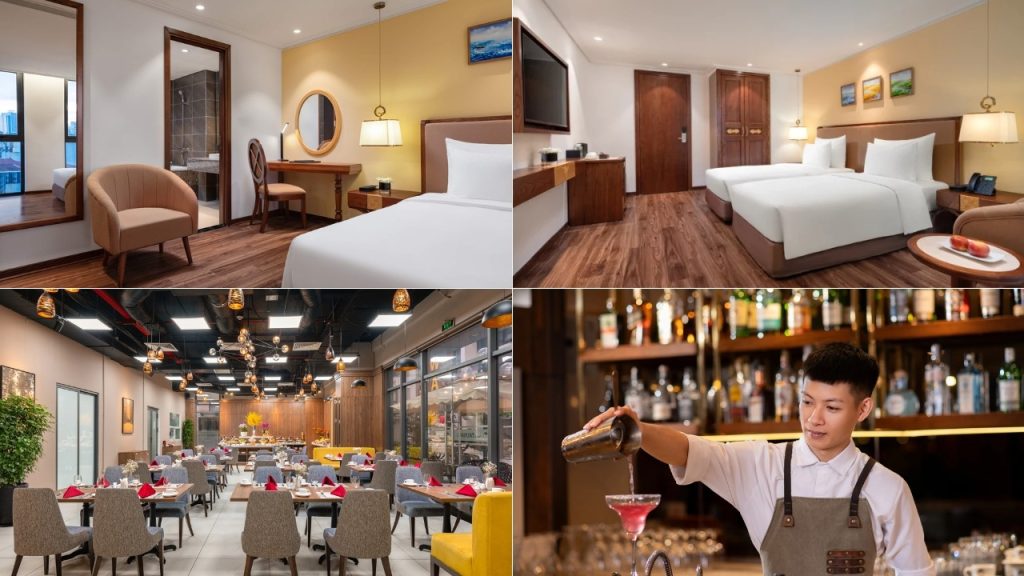
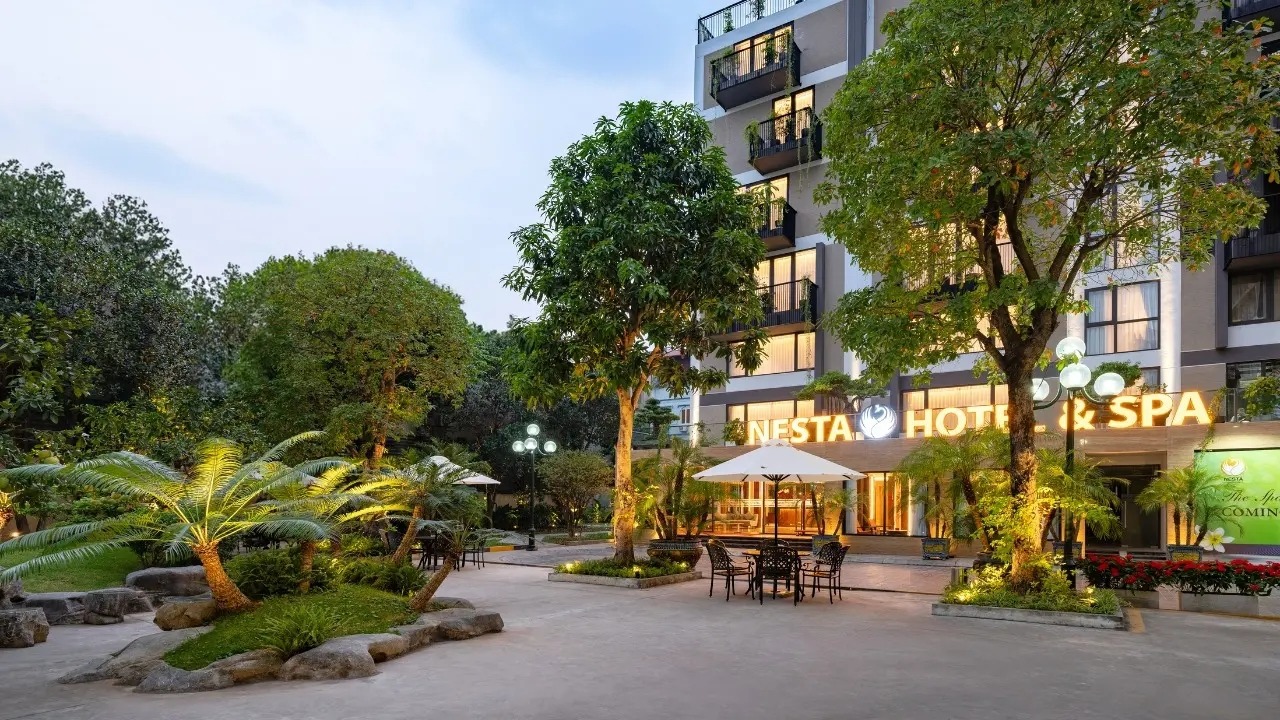
Nesta Hotel and Spa (83 Hao Nam, Dong Da)
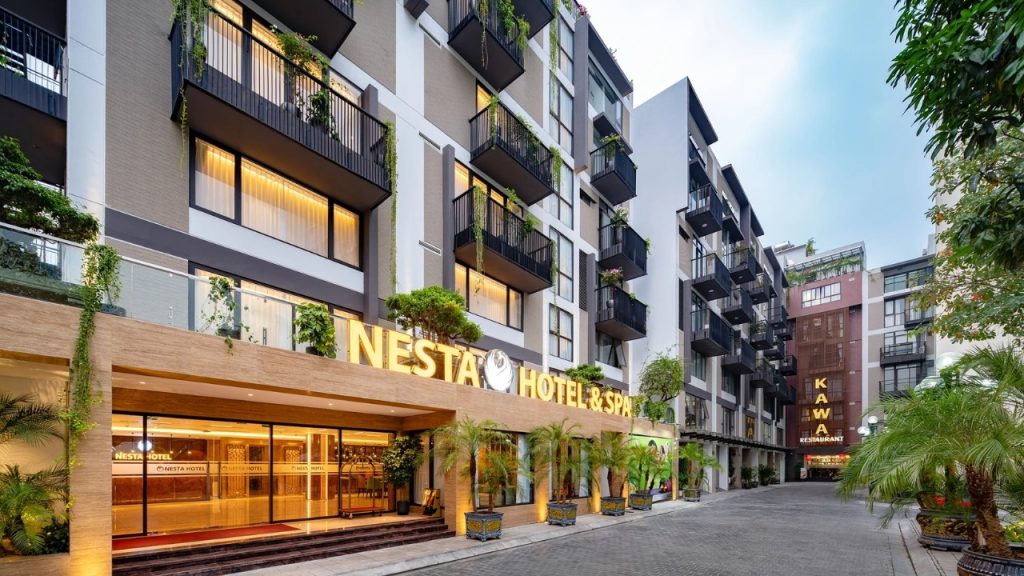
Situated in an extremely prime central location, very close to Kim Lien Temple (Dong Da). Notably, the hotel lies right next to Cat Linh Station (Cat Linh - Ha Dong elevated railway line), enabling guests traveling to Voi Phuc Temple (Kim Ma) or Quan Thanh Temple (Thanh Nien) to take merely 5 - 8 minutes by vehicle.
Location of Nesta Hotel & Spa convenient for planning temple tours in Hanoi
Outstanding Amenities at Nesta Hotel & Spa
Modern, luxurious guest room design with excellent soundproofing for deep sleep.
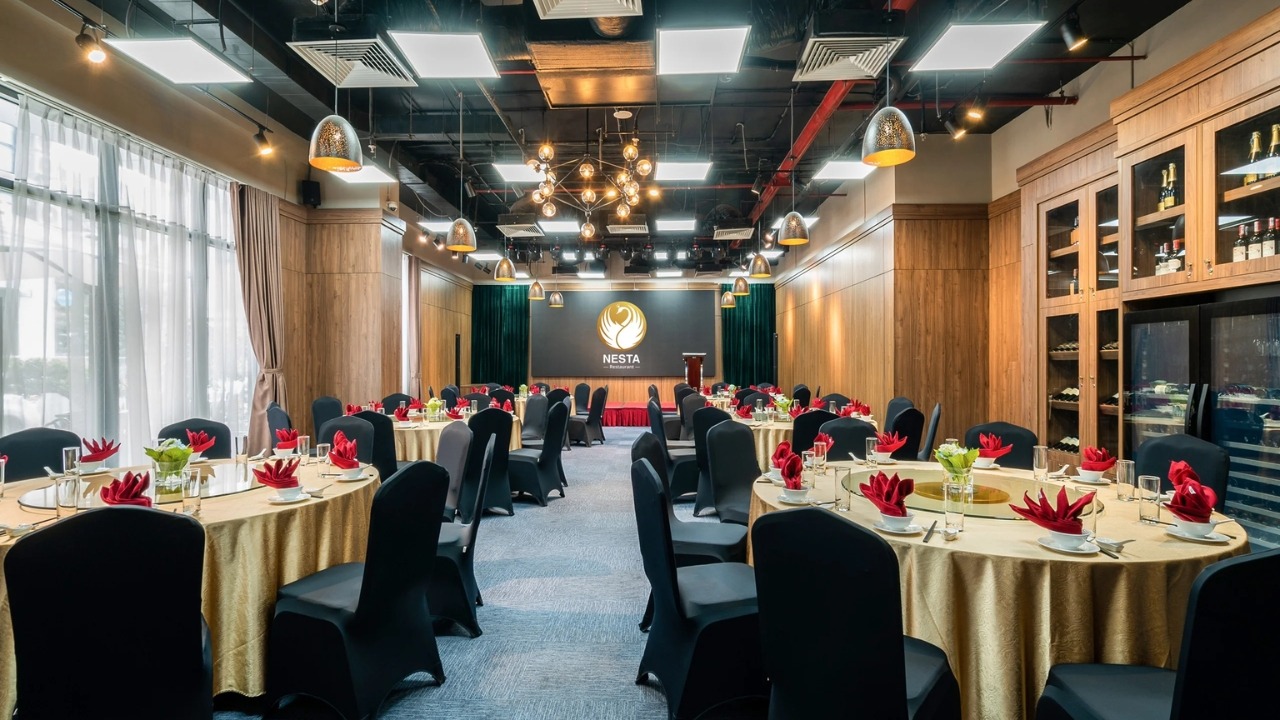
Nesta Restaurant: Culinary space designed in an elegant style, suited for meals during your stay.
Kawa Japanese Restaurant: Tailored for diners seeking to explore Japanese culinary styles in a private ambiance.
Coffee & Lounge: A space to enjoy drinks, chat, or rest following sightseeing itineraries.
Nesta Spa: Care and relaxation services for guests needing rest after a day of travel.
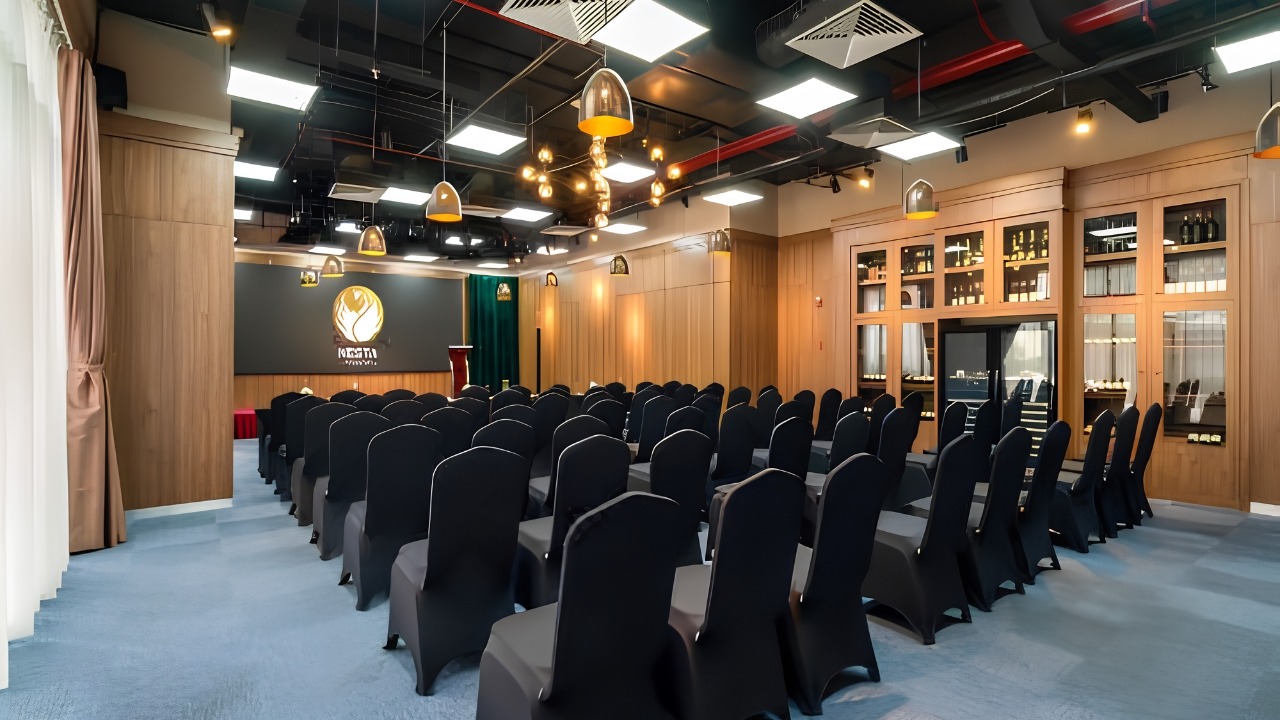
Meetings and Events: The hotel offers spaces serving meetings, gatherings, banquets, and events per demand.
Breakfast Buffet: Empowering guests to proactively dine before starting their Hanoi exploration journey.
24/7 Front Desk and Parking Area: Supporting lodging and travel needs.
Airport Transfer Services: Contact the hotel to inquire about transport arrangements, schedules, and applicable fees.
Restaurant, spa, lounge, and lodging services at Nesta Hotel & Spa Hanoi
Booking Contact Information:
Address: 83 Hao Nam, O Cho Dua, Dong Da, Hanoi.
Distance to Metro Station: Less than 5 minutes' walk to Cat Linh and La Thanh stations.
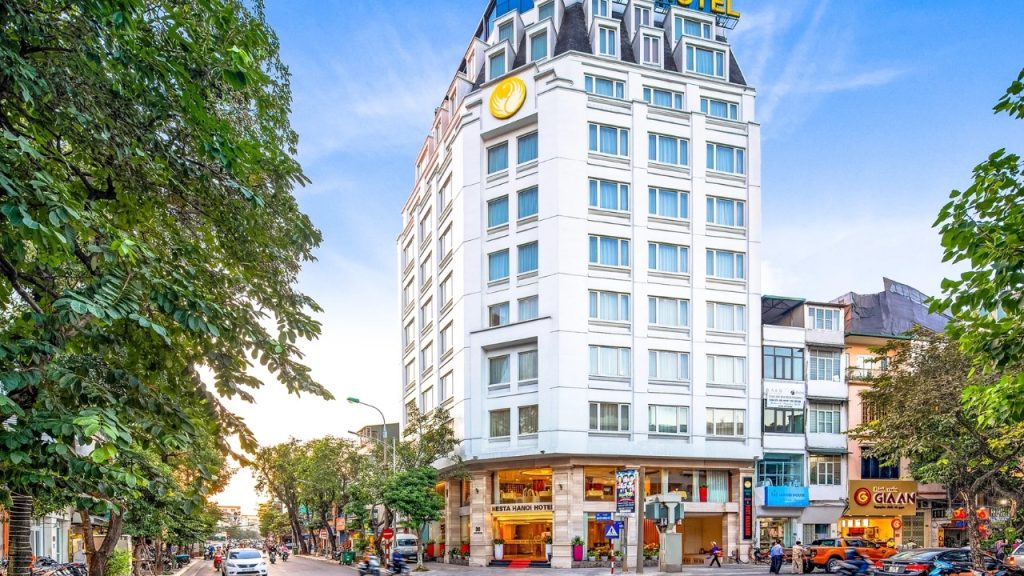
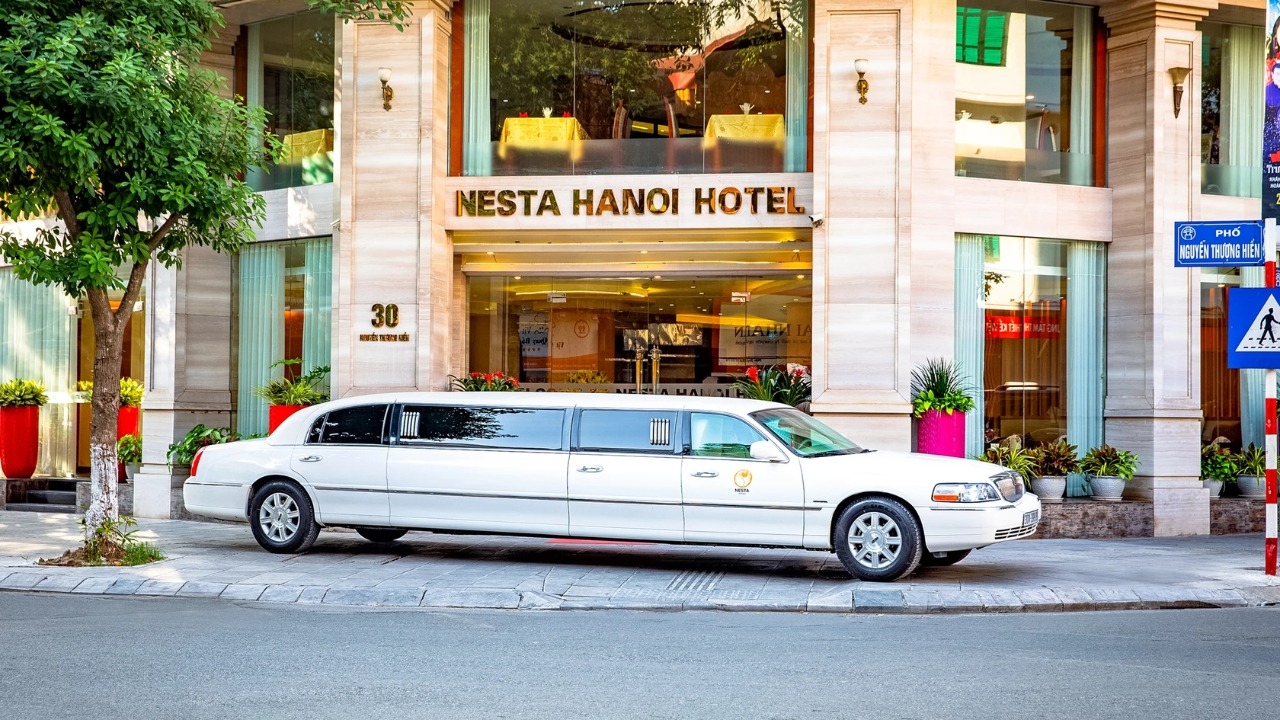
Nesta Hanoi Hotel (30 Nguyen Thuong Hien, Hai Ba Trung)
Nesta Hanoi Hotel is located at No. 30 Nguyen Thuong Hien, Hai Ba Trung district, Hanoi. The hotel combines modern design styles with elegant traits reminiscent of capital culture. This location also facilitates combining visits to destinations such as Thien Quang Lake, Thong Nhat Park, and inner-city historical relics.
Nesta Hanoi Hotel at 30 Nguyen Thuong Hien featuring elegant accommodation spaces
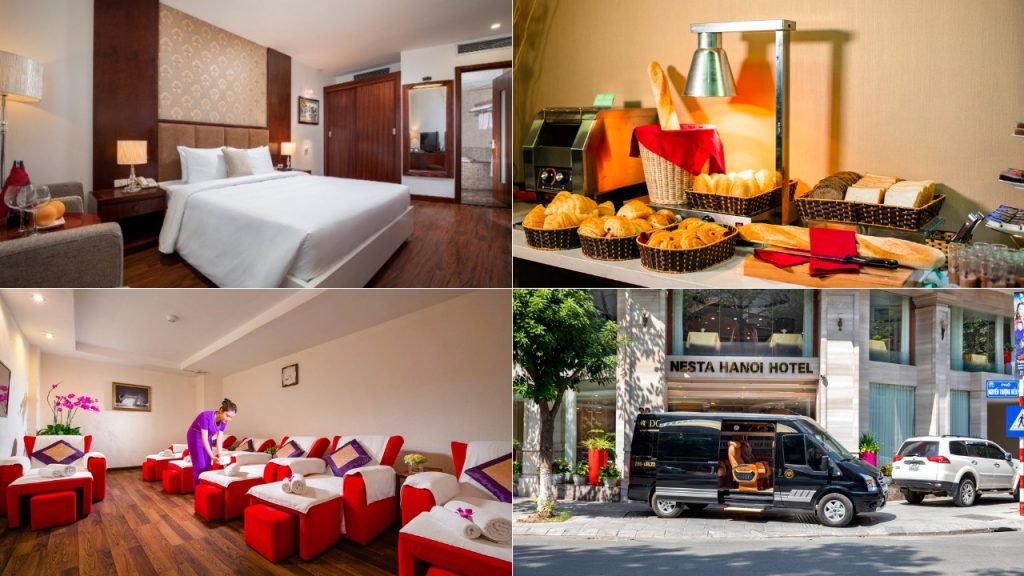
Lodging Experience and Services at Nesta Hanoi Hotel
Cozy, sophisticated boutique hotel standards.
Well-equipped amenities, airy rooms with beautiful views.
La Palace Restaurant: Culinary space bearing traditional Vietnamese spirit, suited for dining during stays.
Nesta Spa: Tailored for guests seeking relaxation after walking, touring relics, or working all day.
Gym Workout Area: Helping guests maintain exercise habits during business trips or travels.
Breakfast Buffet: Convenient for kicking off mornings without spending extensive time searching for breakfast spots outside.
24/7 Front Desk: Assisting guests throughout stays.
Work Desks in Rooms: Suited for guests needing to handle tasks or check tour itineraries.
Airport Transfer Services: Guests can contact in advance to inquire about schedules, fees, and suitable transport arrangements.
La Palace Restaurant, spa, and lodging amenities at Nesta Hanoi Hotel
Contact Information for Nesta Hanoi Hotel:
Address: 30 Nguyen Thuong Hien, Hai Ba Trung, Hanoi.
What Attire and Offerings Should Be Prepared When Visiting the Thang Long Four Sacred Temples?
You should dress modestly and respectfully, and prepare simple offerings such as incense, fresh flowers, fruits, or vegetarian offerings depending on conditions. Most important is sincerity and a respectful attitude toward the worship space.
Do the Temples in the Thang Long Four Sacred Temples Charge Admission Fees?
Currently, all 4 temples belonging to the Thang Long Four Sacred Temples (Bach Ma Temple, Voi Phuc Temple, Kim Lien Temple, Quan Thanh Temple) offer free admission for locals and visitors offering incense and sightseeing.
How Long Does It Take to Travel from Nesta Hotel and Spa (83 Hao Nam) to the Temples?
Thanks to the vital transport location in central Dong Da, estimated travel times are as follows:
Kim Lien Temple: Approx. 5 minutes (approx. 1.8 km).




 Book now
